





The largest group to date, 21 Oklahoma science, technology, engineering and math teachers representing 18 schools, recently gathered at The University of Tulsa for the fourth annual Petroleum Science and Energy Transition High School Educator Institute. This professional development program is designed to strengthen STEM education and expand student understanding of today’s evolving energy landscape.
Hosted this summer by the McDougall School of Petroleum Engineering, the three-day institute provided teachers with hands-on learning, classroom resources and direct access to UTulsa faculty, equipping them to bring current, science-based energy education into their classrooms.
The institute is made possible through the generosity of Greg Lalicker (B.S. ’82), CEO of Hilcorp Energy Co. A UTulsa petroleum engineering graduate who also earned an MBA and law degree, Lalicker has built a distinguished career in the global energy industry and continues to invest in educational programs that strengthen the energy workforce.
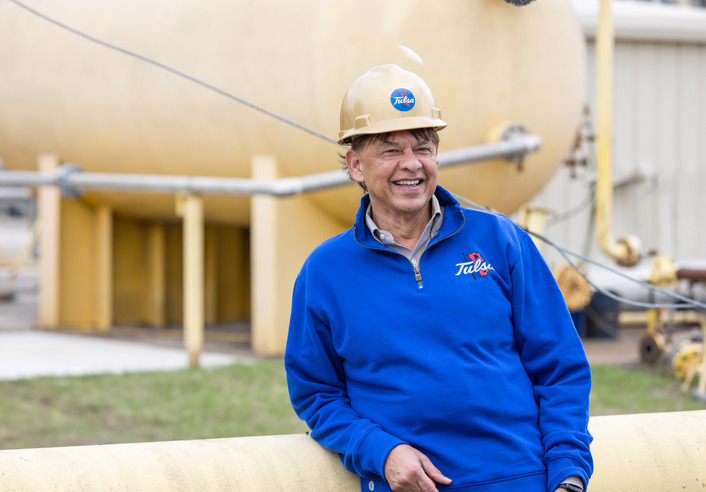
For Mohan Kelkar, Ph.D., professor emeritus of petroleum engineering and one of the program’s founders, the institute recognizes the important role teachers play in shaping future generations.
“Teachers are the best conduit to young minds,” he said. “Providing accurate information to educators helps them teach students what the current scientific understanding tells us about energy use and energy consumption.”
Participants explored topics including petroleum science, drilling and reservoir engineering, carbon storage, geothermal energy, hydrogen, methane emissions and produced water management. The curriculum also provides standards-aligned instructional materials that teachers can immediately utilize in their classrooms.
Kelkar said the goal is to provide educators with a balanced understanding of today’s energy landscape, including the continued role of fossil fuels, the importance of addressing climate change and the opportunities for energy professionals to reduce carbon emissions through innovation and responsible resource development.
The institute continues to gain momentum. Four educators returned after participating in a previous year to further expand their understanding of the subject matter, demonstrating the program’s value and the growing interest in energy education.
Ken McQueen, interim chair of the McDougall School of Petroleum Engineering and former Oklahoma secretary of energy and environment, said this year’s participants stood out for their enthusiasm and engagement.
“This was the largest group we’ve had to date,” he said. “I was impressed with the level of engagement these STEM educators had. They were asking intriguing and insightful questions and actively engaging in the dialogue.”
McQueen said he is encouraged that Oklahoma students are learning from educators who are eager to deepen their own understanding of energy science. “We hope that our workshop has provided a better understanding of our energy landscape and will lead to more interest from high school students in the future of energy at The University of Tulsa,” he said.

Mike Stafford, P.E., associate professor of practice, said trusted teachers often have the greatest influence in helping students discover careers they may never have considered. “Most high school students always have that one special teacher that they trust when it comes to life decisions,” he said. “All of these teachers are planting seeds.”
By giving educators a firsthand look at the broad range of careers available in the energy sector, the institute equips them to encourage students to explore new possibilities and emerging opportunities.
As the energy industry continues to evolve, programs like the Petroleum Science and Energy Transition High School Educator Institute demonstrate UTulsa’s commitment to preparing future engineers by investing in the educators who inspire them first. Every teacher who leaves campus with new knowledge and classroom resources has the potential to influence hundreds of students during the course of a career, creating a ripple effect that extends beyond a single workshop.
By strengthening STEM education, expanding awareness of energy careers and building partnerships with educators across Oklahoma, the McDougall School of Petroleum Engineering is cultivating the next generation of innovators who will advance the technologies, solutions and leadership needed to meet the world’s evolving energy challenges.