





The Research Experiences for Undergraduates (REU) is returning to UTulsa. Funded by a U.S. National Science Foundation grant, the Materials for Energy Transition REU is launching this summer, giving students across the nation the opportunity to study relevant energy issues here. Led by Professors Laura Ford, Ph.D., and Hema Ramsurn, Ph.D., the program allows students to explore research in areas funded by the NSF. REU also prepares students for potential graduate studies and provides professional development activities to enhance their future careers.
“Undergraduate research experiences can be life-changing,” said Ford. “Students with no previous research experience have discovered a love for the lab and set new career goals. Those who decided on an industrial path after the summer of research have new confidence in their choice.”
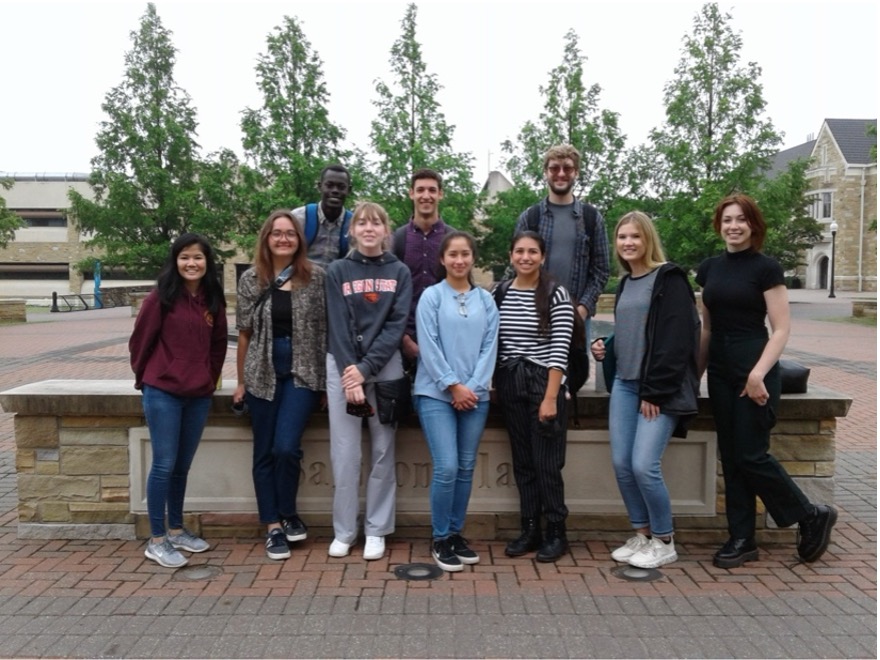
The 10-week program selects 10 engineering, chemistry, biochemistry and physics students through a competitive application cycle. Participants receive a stipend and housing on campus at UTulsa. Studying at UTulsa allows students to experience the world-class research facilities on campus and give students from out of state a chance to discover Tulsa’s vibrant food, arts, and cultural scenes.
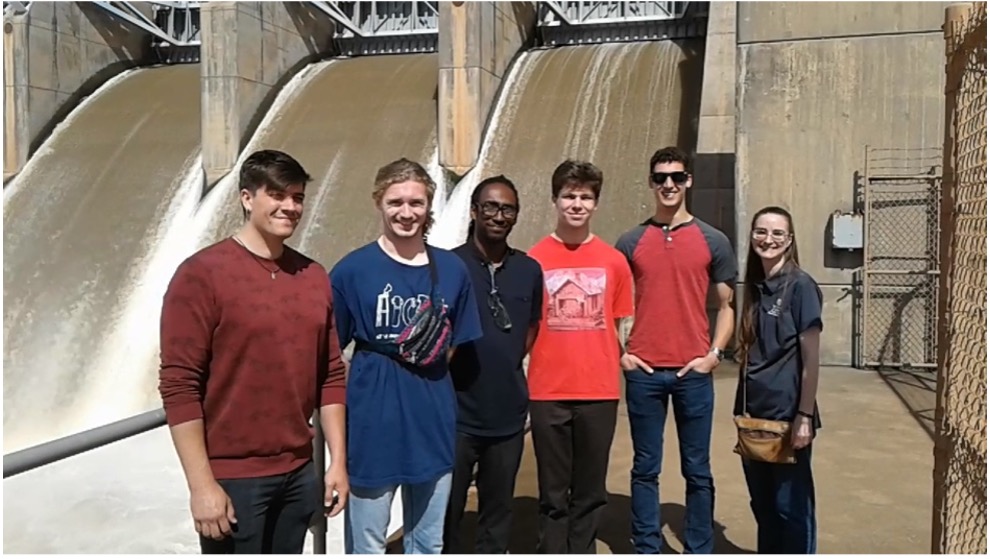
Lab work is intensive, with students tasked to make samples or run simulations and analyze their findings, results and errors. Each student is assigned a faculty mentor, who reviews their work and provides guidance. Nearly every week, students visit off-campus sites related to the energy industry. Potential field trip locations include: CF Industries’ ammonia plant, Chevron Renewable Energy Group’s bio-based and renewable diesel site and an oil refinery at Sinclair HollyFrontier Refinery.
The program has projects in energy storage, energy production, energy-efficient methods of producing materials, storage of energy waste products and more. One project titled “Efficient Extraction of PHAs from Microalgae for 3D Printing, will be led by Ty Johannes, Ph.D., professor and Wayne Banes Rumley Chair of Chemical Engineering. The student will develop and optimize methods for isolating and blending PHAs, a type of bio-derived and biodegradable plast, from micro algae for 3D printing applications. Another project titled “Mechanical Fatigue and Fracture of Electrocaloric Metals along a Continuous Temperature Range” will have the student study the long-term durability of electrocaloric metals that show a temperature change when mechanical stress is applied or removed and could be used as a novel method to generate electricity,
“Programs like the NSF REU open doors for students to discover the excitement of research and the impact they can have on the future of energy. We’re proud to foster an environment where curiosity thrives and new talent finds its footing,” Johannes said.
Applications for the next cycle close on Feb. 18. For more information about Materials for Energy Transition Research Experience for Undergraduates and its application process, visit the Ford Lab webpage.