





Close Menu
Close Menu

Nurse Anesthesia DNP

UTulsa’s Nurse Anesthesia DNP program prepares students to confidently practice autonomously in any environment and thrive in a fast-growing field.

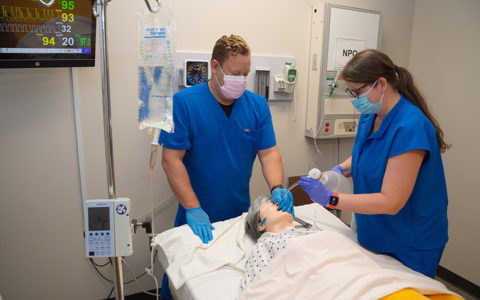
Our program equips students with the skills needed to deliver anesthesia to patients across the lifespan. Students have the opportunity to contribute to the latest evidence-based practices, utilize high-fidelity simulation and cadaver labs and make lifelong connections, all of which will shape the future of nurse-led care. We’re committed to developing nurse leaders and innovators who transform health care by advancing health equity and expanding access to treatment.

UTulsa partners with more 30 clinical site affiliations where students can be assigned. Experiences include Level 1 trauma centers, cardiothoracic, transplants, pediatrics, obstetrics, dental, community and surgery centers. Our students are required to administer 650 anesthetics (COA requirement is 600) and average more than 2400 hours in the clinical setting (COA requirement is 2000 hours).

This DNP program prepares students through course work that develops knowledge and skill in anesthesia practice as well as in organizational leadership. The rigorous curriculum features courses addressing the chemistry and physics of anesthesia, advanced pharmacology, advanced physiology and pathophysiology, basic-to-advanced principles of anesthesia care, anesthesia technology, team training, patient safety and the professional role. The program integrates numerous simulation and workshop opportunities including basic and advanced airway management, regional anesthesia techniques, simulation for pediatrics and obstetrics and crisis management.
Ready to get started?

Applications are accepted May 1-July 31 for The University of Tulsa's DNP in Nurse Anesthesia (NA) program. Due to strong demand and limited class size, early application is encouraged.

Request Information Apply

Program Highlights

Low student-faculty ratio

At UTulsa, each cohort is limited to 20 students, providing direct training and instruction from faculty who are vested in students’ personal success. Low cohort sizes also make it possible to move residents to multiple clinical sites.

World-class simulation experience

In addition to a high-fidelity skills lab, we have two newly renovated ORs for conducting immersive simulations. Students also attend a one-of-a-kind weekend training for POCUS and nerve blocks on pulsatile cadavers.

Unmatched experiential learning

Not only do we have more than 30 clinical affiliations, students have the option to rotate through up to six different sites, providing one of the most robust and diverse clinical experiences available at a nurse anesthesia program.

What can CRNAs do?

With our Nurse Anesthesia DNP, you’ll be prepared for versatile and rewarding career opportunities in a wide range of settings, including:

  • Clinical practice: Most CRNAs work in clinical roles, administering anesthesia for surgeries and procedures in hospitals, outpatient centers, labor and delivery units, dental offices and other settings.
  • Specialization: With experience, CRNAs may specialize in areas such as pediatrics, cardiology or obstetrics, often leading to roles in specialized facilities and higher earning potential.
  • Education and research: Some CRNAs pursue academic or research careers, teaching future clinicians or advancing anesthesia practices through research.
  • Leadership: Experienced CRNAs can move into leadership positions, managing teams, shaping anesthesia protocols or advocating for the profession.

According to the U.S. Bureau of Labor Statistics, employment of nurse anesthetists is projected to grow up to 38% by 2032. The BLS also reported a median annual salary of $212,650 in 2023, with compensation varying by location and experience.

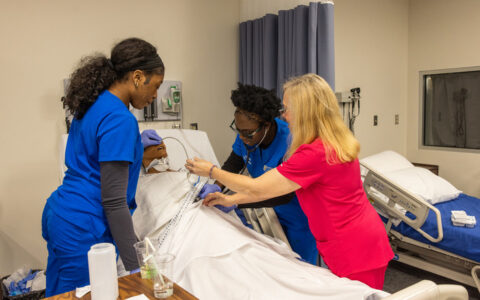
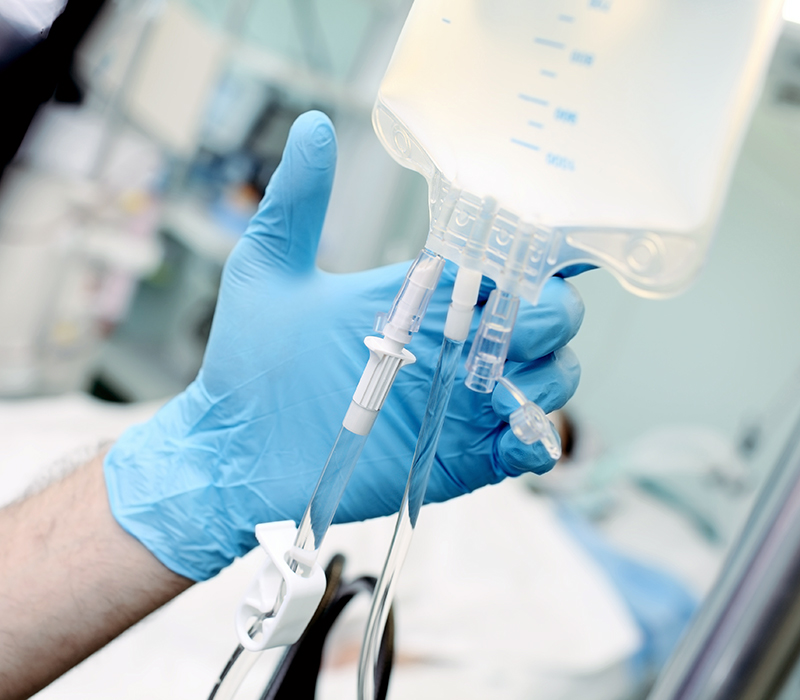
Nurse preparing IV drip

Program Performance Data

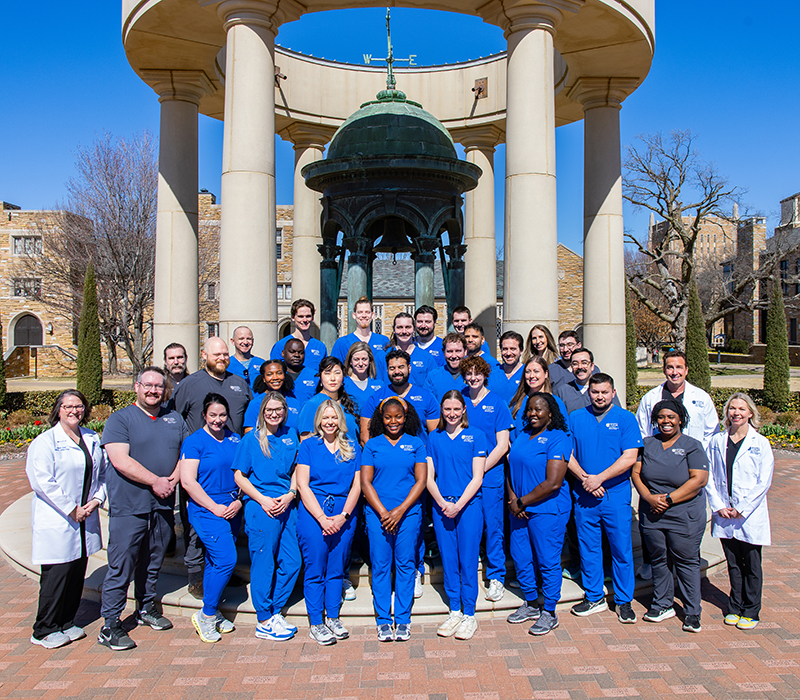
Nurse anesthesia DNP students and faculty pose in front of UTulsa's Kendall Bell

Accreditation Statement

The UTulsa Nurse Anesthesia DNP Program is fully accredited through 2026 with reaccreditation scheduled by October 2026. This Doctor of Nursing Practice program is accredited by the Council on Accreditation of Nurse Anesthesia Educational Programs, a specialized accrediting body recognized by the Council on Higher Education Accreditation and the United States Department of Education (COA, 10275 W Higgins Rd, Suite 906 Rosemont, IL 60018-5603, phone 224-275-9130) coacrna.org.

Student Achievement Indicators – Class of 2025

  • Class of 2025 Attrition Rate = 12.5%
  • Employment Rate = 100%
  • First-Time National Certification Exam Pass Rate = 93%
  • Overall NCE Pass Rate = 100%

Leading the continued advancement of a premier nurse anesthesia program is an extraordinary privilege. Consistent with the distinguished legacy at The University of Tulsa, our faculty are deeply committed to academic excellence, clinical rigor, innovation and servant leadership as we prepare the next generation of nurse anesthetists. Supported by outstanding university leadership and a strong regional healthcare community, we are cultivating a transformative educational experience that will strengthen healthcare access and patient care throughout Oklahoma and beyond.

David White, DNAP, MSNA, APRN-CRNA Director, Nurse Anesthesia Program
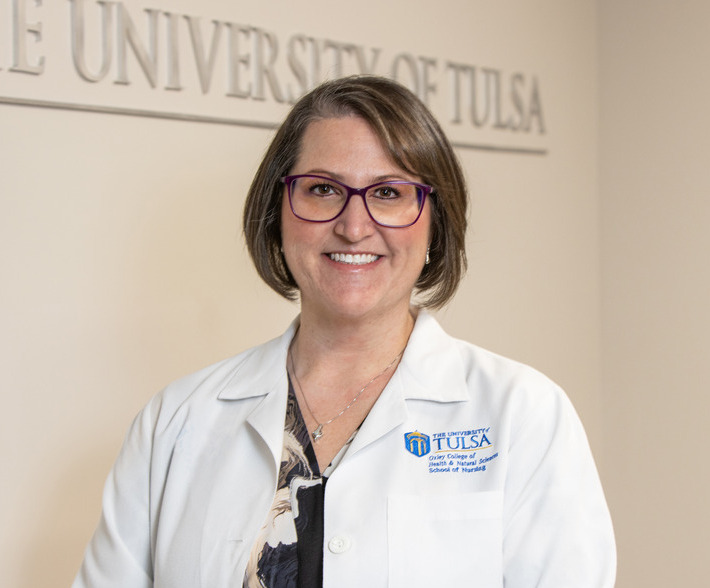
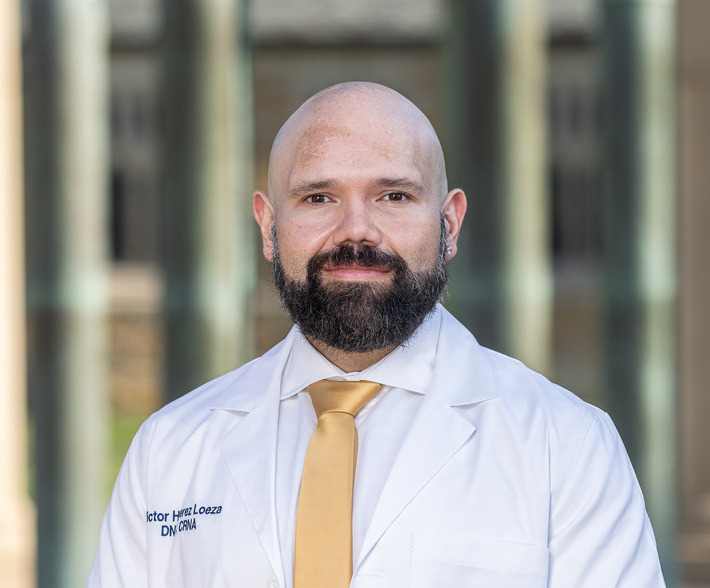
Faculty Profile