





The University of Tulsa is proud to announce that the national office of the Albert Schweitzer Fellowship (ASF) recently relocated from Boston to its new home in Oxley College of Health & Natural Sciences.
Founded in 1940 by the physician and humanitarian Dr. Albert Schweitzer, the ASF is a leadership development program for graduate and professional studies students. With 10 chapters across the country, the ASF cultivates an interdisciplinary movement of health leaders committed to serving the country’s most under-resourced populations. The ASF does this through a year-long mentored experiential learning program during which fellows launch and lead innovative health initiatives in partnership with local communities. Fellows leave the program with the skills, vision and experience to shape community-based health initiatives throughout their careers.
New executive director
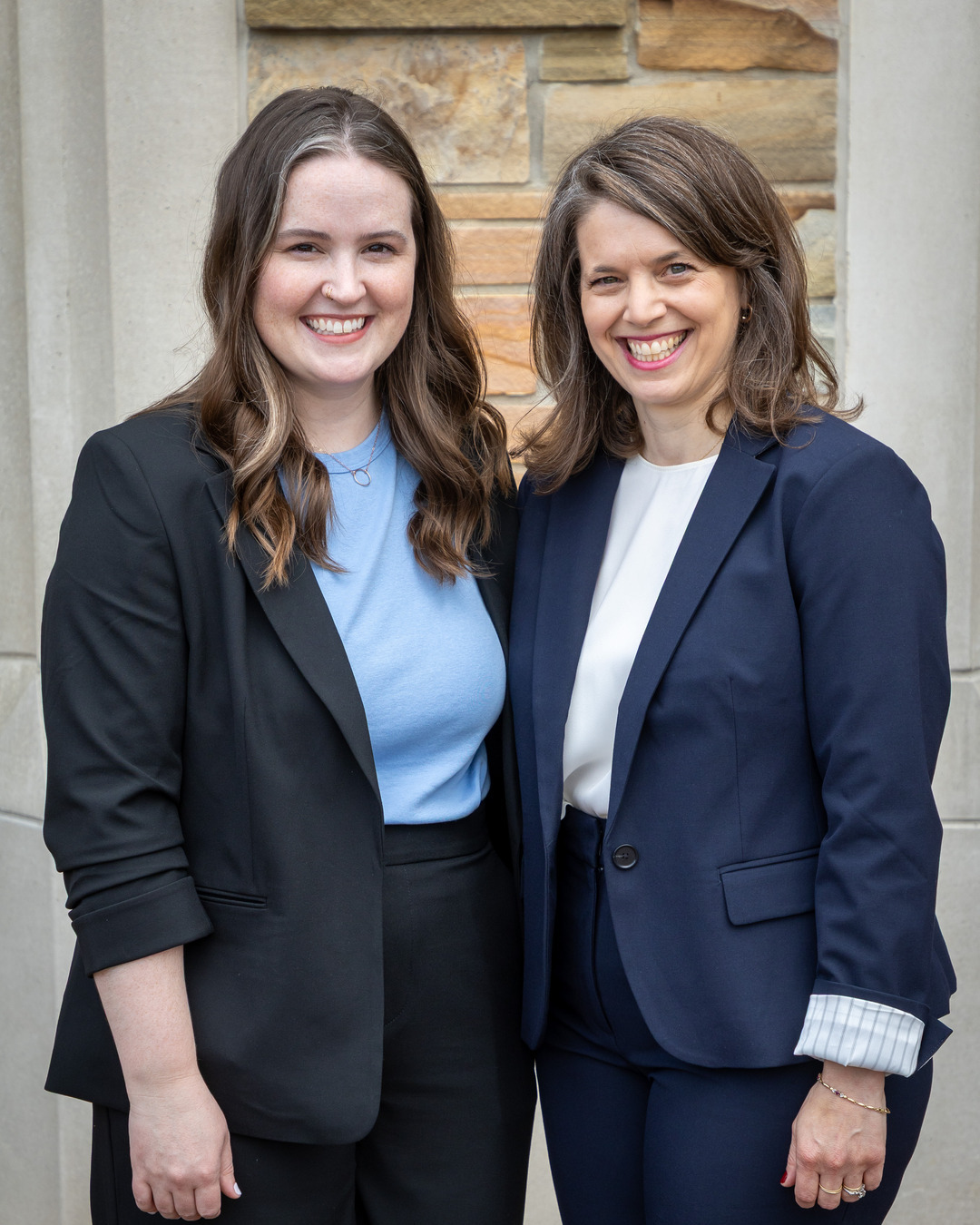
Integral to the choice of UTulsa for the national office was the appointment of Rachel Gold as the ASF’s executive director and Emma Morris as the new Tulsa chapter director. Gold launched the Tulsa chapter in 2015 at Oxley College. Under her leadership, 111 Tulsa Schweitzer Fellows have contributed more than 23,000 hours to improve the lives of over 8,000 Tulsans in partnership with over 70 Tulsa and Eastern Oklahoma nonprofits, schools and clinics. Gold believes Tulsa and UTulsa are a natural fit for the ASF’s new home: “As a city and a university, we’re at the crossroads of community health efforts that address urban, rural and tribal needs and opportunities.”
“I warmly congratulate Rachel on becoming executive director of the national ASF office,” said Dr. Susan Pepin, dean of Oxley College. “With Emma leading the local chapter and Rachel at the helm of the national ASF office, Tulsa will continue to blaze the trail toward improved community health and be a model for other locations seeking to address health disparities and develop the next generation of leaders to do this work.”
Samuel L. Bradley Jr., the ASF’s board chair, Schweitzer Fellow for Life (FFL) and an associate dean at Boston College, is similarly enthusiastic. “My visit to Tulsa last summer amazed me. I left certain that UTulsa is the ideal home for the national ASF office,” he commented. “Rachel is the perfect leader for this next chapter of ASF. She is entrepreneurial, relational and strategic. The entire ASF board is confident that her experience enhancing health equity, developing visionary leaders and overall community impact in Tulsa and across North America will strengthen the ASF’s mission and bring forward a new era of engagement, growth and innovation for the Fellowship community.”
An ambitious future ahead
Gold has reams of exciting objectives for the coming months and years. One of her top priorities is to design strategic and network-building leadership development and collaboration opportunities with the ASF’s 4,000+ FFL alumni. Gold also wants to expand the national office’s support for chapters’ capacity and strength. “Over time,” she added, “we want to develop the ASF’s ability to provide infrastructure and technical assistance to groups across the country who align with the vision of building a movement of health leaders committed to working with communities to address their health needs.”
Gold said the ASF plans to host two major upcoming events. The first is a gathering at UTulsa this fall, when she and Morris will welcome ASF site directors for the organization’s annual meeting. Then, in fall 2026, UTulsa will be the site of the national ASF conference. “This event will bring hundreds of Fellows, FFL and Fellowship supporters to town to have energetic conversations, peer-led learning sessions, site visits, and strategic discussions about the future of community health,” Gold explained. There will also be a research showcase highlighting cutting-edge community health research and project outcomes from Fellows and FFL, as well as extensive opportunities for network-building.
Those goals are ambitious, but Gold knows they are achievable, in part, because of the philanthropic support of numerous organizations that believe in the ASF mission. She notes, for example, Morningcrest Healthcare Foundation, which gave the initial gift that launched the Tulsa chapter in 2015. Ten years later, Morningcrest built on their initial investment to provide generous funding to help establish the national ASF office in Tulsa. The George Kaiser Family Foundation also contributed.
As she formulates plans for the national office, Gold takes inspiration from Dr. Schweitzer’s concept of Reverence for Life. To Gold, this idea means “centering the humanity and complexity of people and of communities in all our work. I see reverence for life manifesting in Fellows and FFL as deep curiosity, setting ambitious and measurable goals and navigating boulders by adapting and responding as contexts, interests and needs change.”
Gold also sees it as the driving force behind the powerful network of the 10 ASF chapters. “This collaborative of chapters has fought for and championed the value of a national ASF spirit over the past decade,” she observed, “and it remains the heartbeat of ASF. I can’t wait to continue to support the strength and potential of the chapters into the future.”